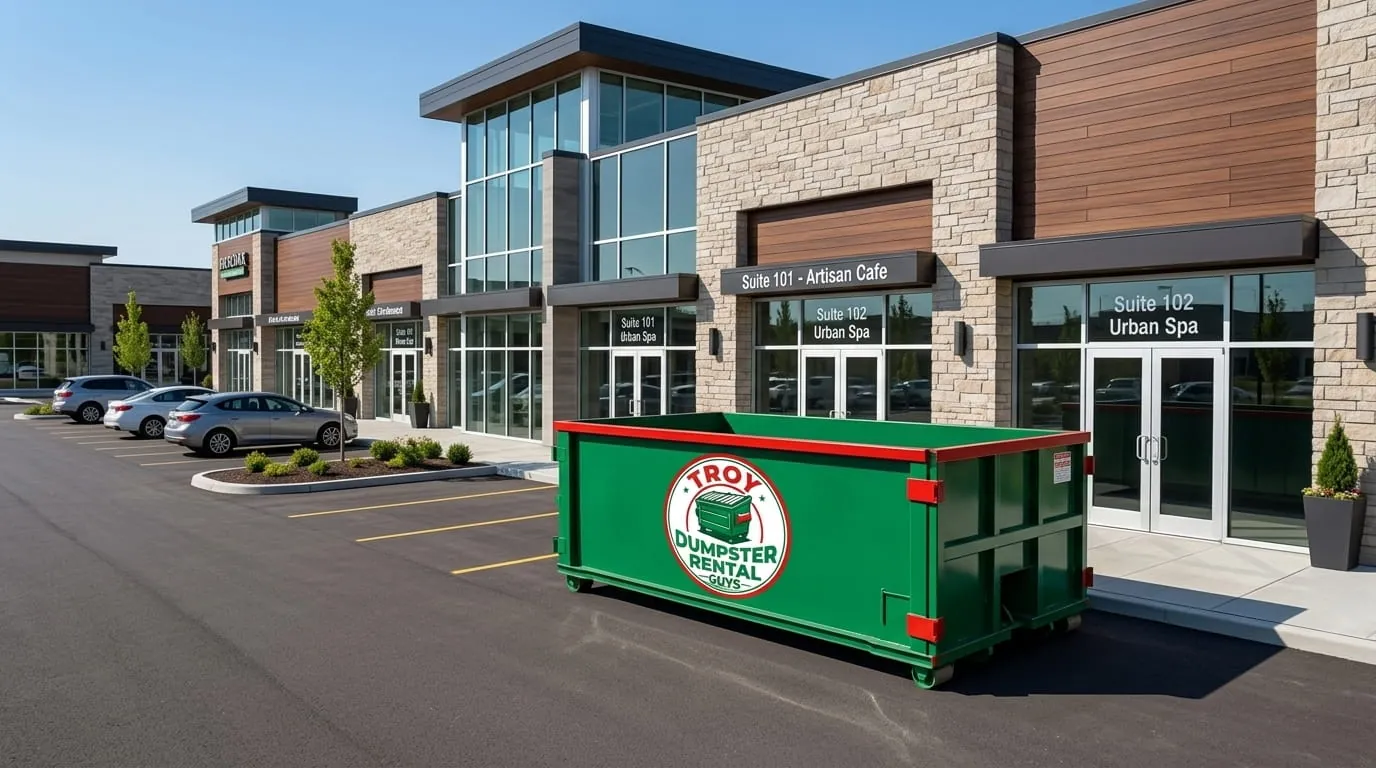
Construction and demolition (C&D) debris is one of the heaviest, most mixed, and most regulated waste streams a contractor handles. On a Troy job site, particularly in the older masonry buildings that line the streets of Rensselaer County and the Capital Region, a single remodel can generate drywall, dimensional lumber, brick, plaster, concrete, roofing shingles, and vinyl siding all in the same week. Getting rid of that material efficiently is not just about throwing it in a bin. Weight limits, material separation, recycling markets, and New York State DEC compliance all shape how you should stage, load, and haul debris. This guide walks through the practical decisions that keep your project moving and your disposal costs predictable.
Know Your C&D Waste Types Before You Load
The first step in disposing of construction debris the right way is understanding what you actually have. C&D waste is not a single category. It behaves very differently depending on density, recyclability, and how the transfer stations in our region accept it. Broadly, you will be dealing with the following material groups on a Troy remodel or teardown.
- Drywall and plaster. Lightweight but bulky. Gypsum drywall is technically recyclable, but painted or plaster-and-lath walls from older Troy homes usually go to landfill. Wet drywall gains weight fast, so keep it covered.
- Lumber and dimensional wood. Clean, untreated framing lumber is one of the easier materials to divert. Treated, painted, or engineered wood (OSB, plywood with adhesives) is handled differently and often cannot be chipped for mulch.
- Concrete, brick, and block. The heavy inert category. This is where weight limits bite. Concrete and masonry are dense, fully recyclable as crushed aggregate, and should almost always be separated into a dedicated bin.
- Roofing. Asphalt shingles are heavy and layered. A single tear-off on a two-story Capital Region home can produce several tons. Some regional facilities accept shingles for recycling into pavement; others landfill them.
- Siding. Vinyl, aluminum, and fiber-cement siding each route differently. Metal siding has scrap value; vinyl typically does not.
- Mixed C&D. The catch-all of insulation, fasteners, trim, flooring, and packaging. This is your general roll-off stream and the most expensive per ton to dispose of because it cannot be diverted.
Sorting these into the right containers at the point of generation, rather than at a transfer station later, is the single biggest lever you have on cost. Our construction dumpster rental service is built around exactly this kind of jobsite sorting.
Separate Heavy Inert Debris From Everything Else
Here is the rule that saves contractors the most money and the most headaches: never mix heavy inert debris with light mixed waste in the same open-top container. Concrete, brick, block, dirt, asphalt, and stone are dense enough that a partially filled bin can exceed a standard roll-off's weight rating while the container still looks half empty.
A typical 30-yard roll-off is sized for volume, not weight. Fill it with framing lumber, insulation, and drywall and you will fill the box before you hit the tonnage cap. Fill that same box with broken concrete from a foundation or a chimney demolition and the truck legally cannot lift it. Overloaded containers are a safety and DOT compliance problem, and haulers will refuse or surcharge them.
That is why dense material needs a dedicated bin. For masonry-heavy Troy projects, chimney removals, foundation work, sidewalk replacement, or brick building renovations, use a smaller dedicated container for the inert material and a separate box for the mixed C&D. Our concrete and heavy debris service exists specifically for this. Keeping concrete and dirt in their own bins also unlocks recycling: clean crushed concrete and masonry are valuable feedstock for aggregate producers, while contaminated mixed loads are not.
Why Concrete and Dirt Need Their Own Container
Three reasons drive this separation. First, weight. A cubic yard of broken concrete weighs roughly two tons; a cubic yard of soil can run one to one and a half tons. A few yards will pin a truck's axle limits. Second, recyclability. Clean inert material can be crushed and reused, which usually means a lower disposal rate than mixed landfill waste. The moment you toss a bag of drywall scraps or a roll of insulation into the concrete bin, the entire load loses its recycling status and gets charged as contaminated waste. Third, handling. Facilities process clean fill and rubble on separate lines from mixed C&D, so a segregated load moves through faster and cheaper.
Weight Limits and Container Sizing
Every roll-off comes with an included tonnage allowance, and going over it triggers per-ton overage fees. Sizing correctly is about matching the container to both the volume and the density of your debris.
| Container | Best for | Typical use in Troy |
|---|---|---|
| 10-yard | Heavy inert debris | Concrete, brick, dirt, tile tear-out |
| 20-yard | Mid-size mixed C&D | Kitchen or bath remodels, small roofing jobs |
| 30-yard | Large mixed C&D | Whole-home renovations, framing debris, siding |
| 40-yard | Bulky light debris | Large demolition, commercial cleanouts |
For most residential remodels in Rensselaer County, a 20-yard dumpster handles mixed debris well, while a 30-yard dumpster suits full gut jobs and framing. Reserve the smaller 10-yard boxes for the dense inert material so you never pay to haul air on a heavy load or eat overage fees on a light one. When in doubt, call and describe the job; matching the box to the material is what we do every day.
What Recycles in the Capital Region
New York has one of the more developed C&D recycling infrastructures in the Northeast, and the Capital Region is well served by transfer and processing facilities that accept source-separated material. What you can realistically divert around Troy includes:
- Concrete, brick, and masonry crushed into recycled aggregate for road base and fill.
- Clean untreated wood ground for mulch, boiler fuel, or engineered wood products.
- Scrap metal including copper wiring, aluminum, steel studs, and metal siding, which carry scrap value and are readily accepted.
- Asphalt shingles at select facilities, processed into road paving material.
- Cardboard and clean packaging from new material deliveries.
- Corrugated metal and appliances handled through metal recyclers.
The catch is contamination. A load only recycles if it is kept clean. That is the payoff for jobsite separation. Diverting even half your tonnage from landfill lowers your disposal cost and, on projects pursuing green certification, generates the documentation you need. Our roll-off dumpster rental options can be staged as multiple containers so separation happens naturally as the crew works.
Jobsite Container Logistics
Where and how you place containers shapes how efficiently your crew loads them. A few field-tested practices for Troy sites:
- Plan placement before delivery. Older Troy neighborhoods have narrow streets, tight driveways, and on-street parking. Confirm the truck has clearance and that the drop spot bears the loaded weight without cracking a driveway or sidewalk.
- Check permits. If a container sits on a city street rather than private property, you may need a right-of-way permit from the City of Troy. Confirm before the box arrives to avoid fines.
- Protect the surface. Put plywood or boards under the container rails to spread the load and prevent damage to asphalt or pavers.
- Stage for the workflow. Position the heavy-debris bin closest to where masonry comes out and the mixed bin near the framing and finish tear-out. Short carry distances keep the crew productive.
- Load evenly and keep it legal. Distribute weight across the floor of the box and never load above the fill line. Overheight loads cannot be tarped and will not be hauled.
- Swap out rather than overload. On a long demolition, schedule hauls and empties so work never stops waiting on a full box. Our demolition debris removal service coordinates swap-outs on active teardowns.
Diversion and LEED Basics
If your project is chasing LEED or another green building standard, C&D waste diversion is a scored credit. The core idea is simple: divert as much debris from landfill as you can, by weight or volume, and document it. To earn the credit you generally need a waste management plan identifying the materials you will divert, source separation on the jobsite, and haul tickets or facility receipts showing tonnage recycled versus landfilled.
This is where clean, separated containers pay off twice. A commingled load that gets sorted at a facility can count toward diversion only if the facility reports recovery rates, and those rates are often lower than what you achieve by sorting on site. Source-separated concrete, metal, and clean wood give you near-total diversion on those streams and clean paperwork to prove it. Even on projects with no formal certification, tracking diversion is good practice: it lowers cost and demonstrates responsible disposal to clients and inspectors.
Staying Compliant With NY DEC
New York's Department of Environmental Conservation regulates C&D debris under 6 NYCRR Part 360. The practical takeaways for a Troy contractor are straightforward but not optional.
- Use permitted facilities. C&D debris must go to a DEC-authorized transfer station, recycling facility, or landfill. Illegal dumping, including filling a ravine or wetland with clean fill, carries serious penalties.
- Know what counts as clean fill. DEC narrowly defines uncontaminated soil, rock, brick, and concrete that can be reused as fill. Painted, treated, or debris-contaminated material does not qualify and cannot be used as fill on residential or unrestricted sites.
- Watch for regulated materials. Older Troy and Rensselaer County masonry buildings frequently contain asbestos in pipe insulation, floor tile, and siding, plus lead paint. These are hazardous materials with their own abatement and disposal rules and must never enter a standard C&D container. Test before you demo.
- Keep your tickets. Retain weight tickets and facility receipts. They document lawful disposal, support diversion reporting, and protect you if disposal is ever questioned.
- Do not burn. Open burning of construction debris is prohibited under NY DEC regulations.
Working with a hauler who knows the region's permitted facilities takes most of this off your plate. We route material to the right authorized sites and provide the documentation you need. If you are unsure how a specific material should be handled, our team can point you in the right direction. See our full services overview or review what can go in a dumpster before you order.
Put It Together on Your Next Job
Efficient construction debris disposal comes down to a repeatable routine: identify your material types, separate the heavy inert debris into its own bin, size containers to both weight and volume, divert what the Capital Region will recycle, stage boxes for a short-carry workflow, and keep your paperwork clean for DEC and any diversion credits. Do that consistently and disposal stops being a source of surprise costs and becomes a predictable line item you control. For older masonry work in Troy, add early asbestos and lead testing to the front of that routine and you will avoid the most expensive mistakes on the job.
Ready to line up the right containers for your project? Contact Troy Dumpster Rental Guys or call (518) 720-6356 and we will match the bins, schedule the swaps, and keep your Troy or Rensselaer County job site clear and compliant from demo to final cleanup.
Founder, Troy Dumpster Rental Guys — sharing straight advice from more than 15 years of local hauling experience.
Frequently Asked Questions
Can I put concrete and dirt in the same dumpster as my other construction debris?
No. Concrete, brick, and dirt are heavy inert materials that should go in a dedicated container. Mixed into a general C&D bin they push you over the truck's weight limit while the box still looks half empty, and they lose their recycling status the moment they are contaminated with drywall, wood, or insulation. Keeping inert debris separate lowers your disposal cost and lets the material be crushed into recycled aggregate.
What size dumpster do I need for a construction project in Troy?
It depends on both the volume and the density of your debris. A 20-yard works well for mid-size mixed remodels like kitchens and baths, and a 30-yard suits whole-home renovations and framing tear-out. Reserve a smaller 10-yard box for dense concrete and masonry so you don't hit overage fees on a heavy load. Call us and describe the job and we'll match the container to the material.
What construction materials can be recycled in the Capital Region?
Around Troy you can divert concrete, brick, and masonry as crushed aggregate; clean untreated wood as mulch or fuel; scrap metal including copper, aluminum, steel studs, and metal siding; asphalt shingles at select facilities; and clean cardboard packaging. The key is keeping loads source-separated and uncontaminated, because a load only recycles if it stays clean.
Do I need a permit to place a dumpster in Troy, NY?
If the container sits on private property such as a driveway, you generally do not need a permit. If it must sit on a city street or in the public right-of-way, you typically need a right-of-way permit from the City of Troy. Confirm before the box is delivered to avoid fines, and protect the surface with boards under the rails.
How does NY DEC regulate construction and demolition debris disposal?
New York DEC regulates C&D debris under 6 NYCRR Part 360. You must use DEC-authorized transfer, recycling, or disposal facilities, keep weight tickets and receipts as proof of lawful disposal, and never open-burn debris. Only uncontaminated soil, rock, brick, and concrete qualify as clean fill. Older Troy masonry buildings often contain asbestos and lead paint, which are hazardous and must be tested for and handled separately before demolition.